



Dental Materials: Impression, Restorative and Endodontic
The dental materials here cover everyday work in the practice, from impressions to root canal filling: alginates and silicones, composites, adhesives, cements and glass ionomers, irrigation solutions, calcium hydroxide pastes, gutta-percha points and root canal sealers. Brands include GC, Zhermack, Solventum (3M), Coltene, Dentsply, Ivoclar, VOCO, Septodont and Cerkamed. Prices start at 2.42 lei.
You can change this from “Sort”.
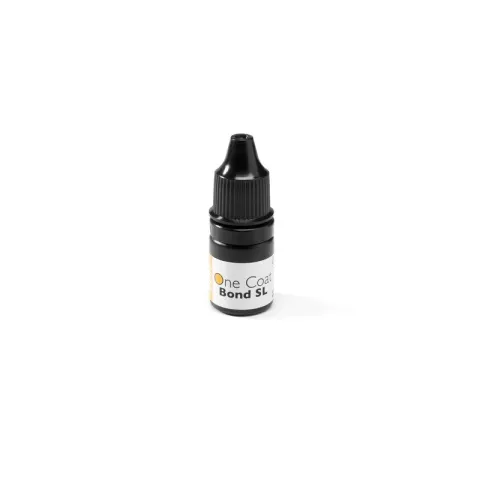
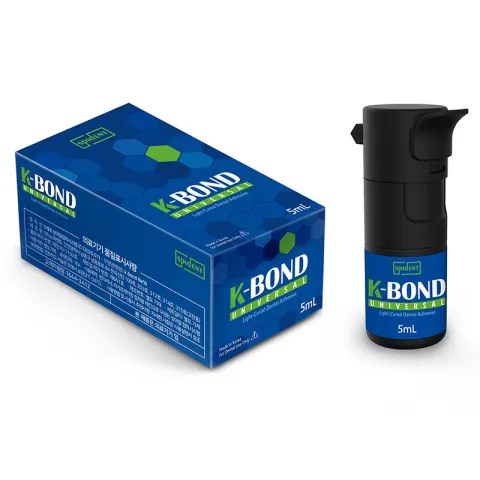
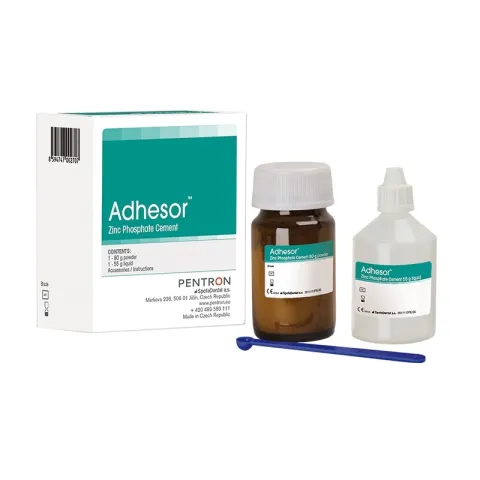
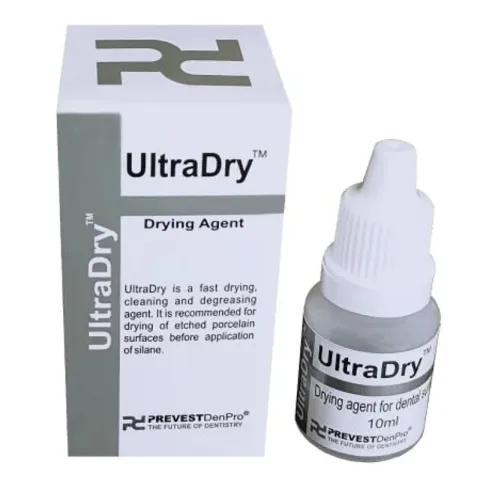
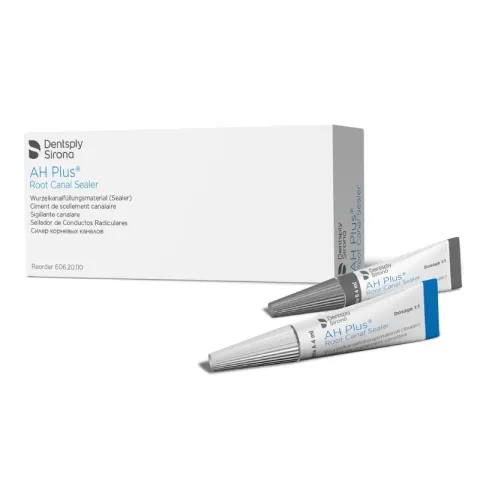
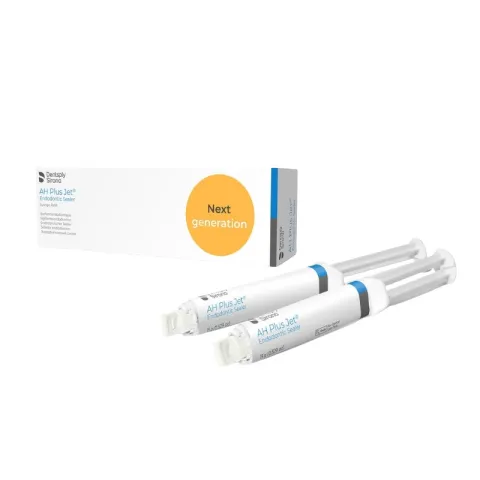
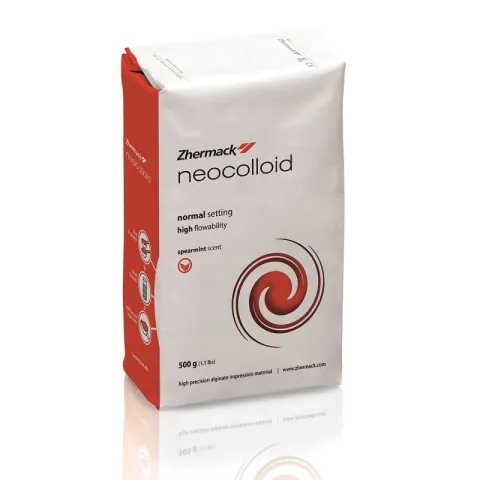
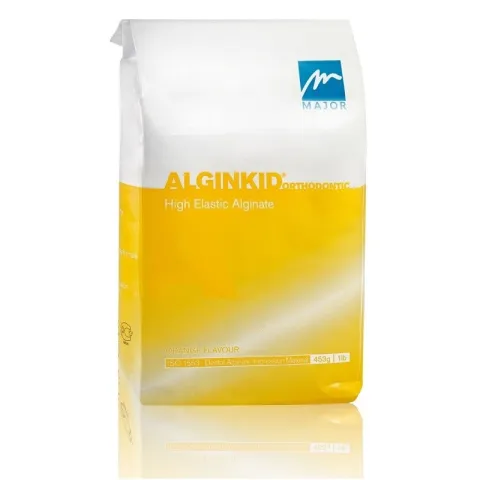
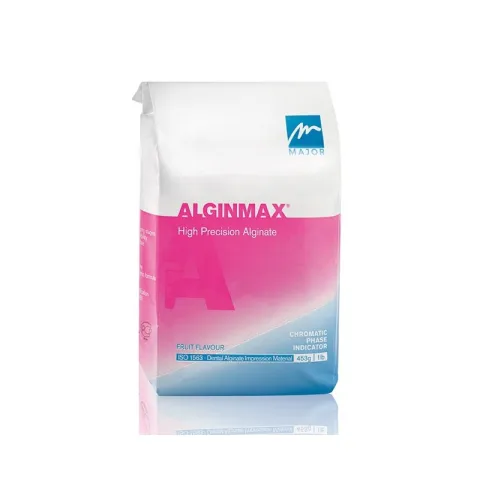
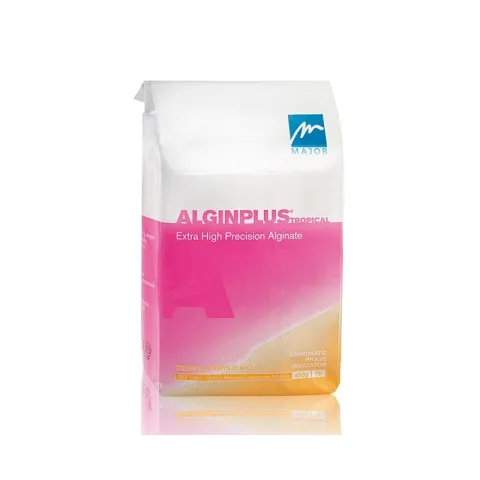
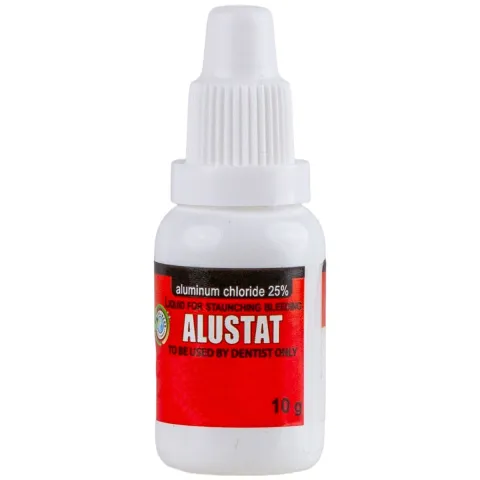
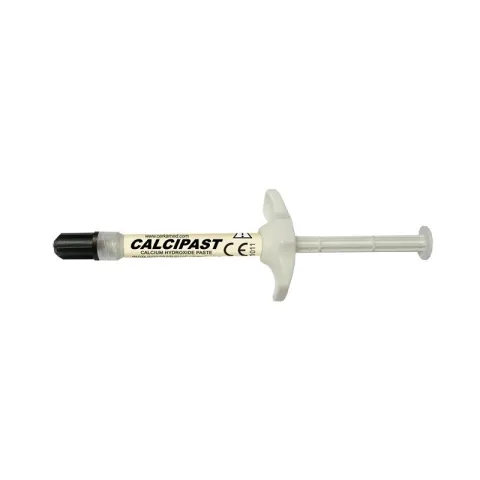
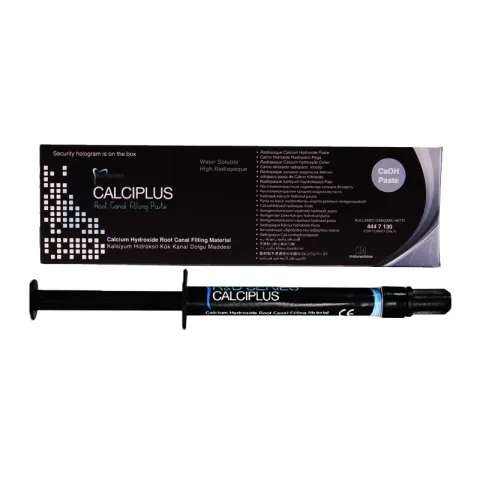
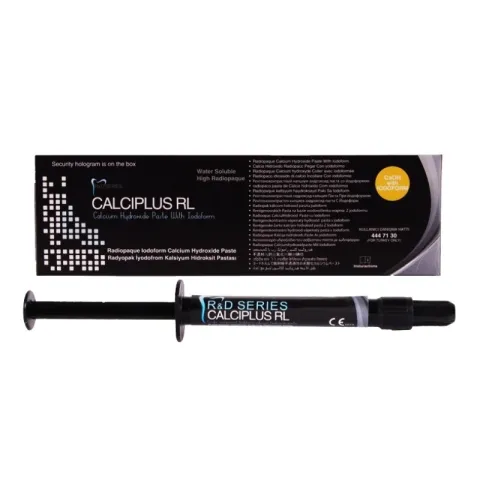
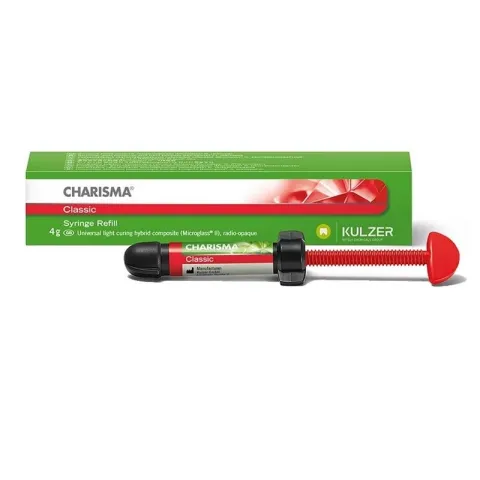
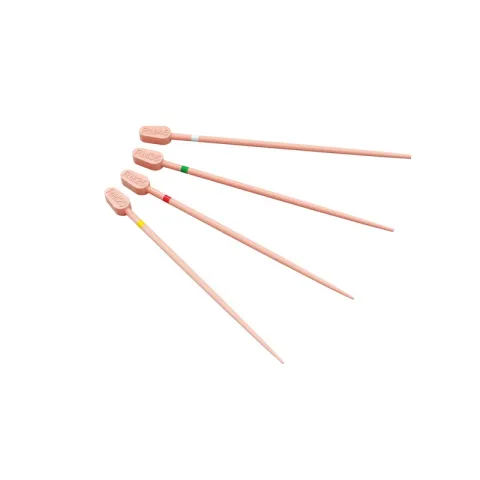
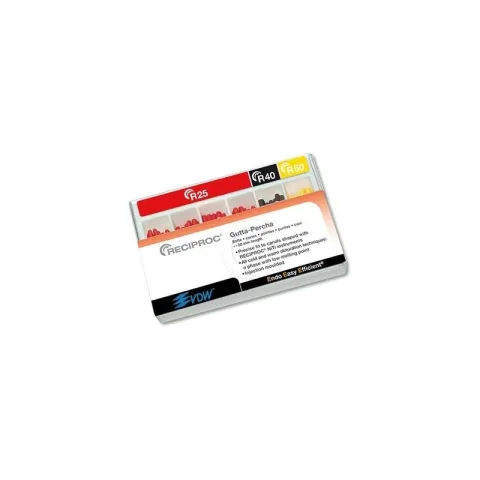
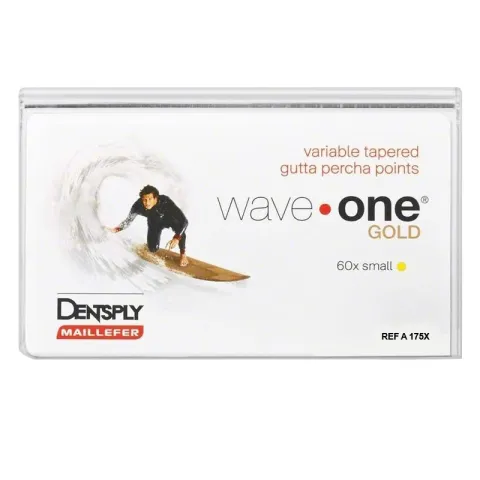
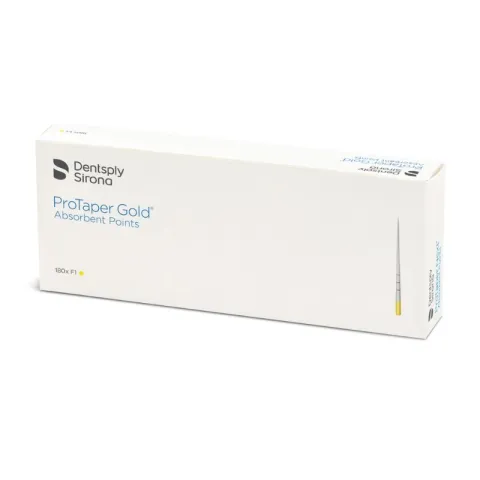
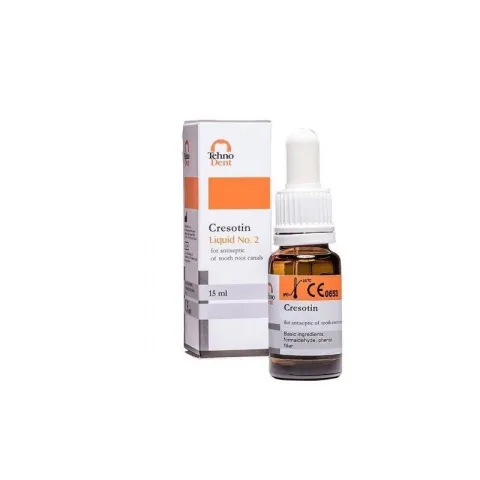
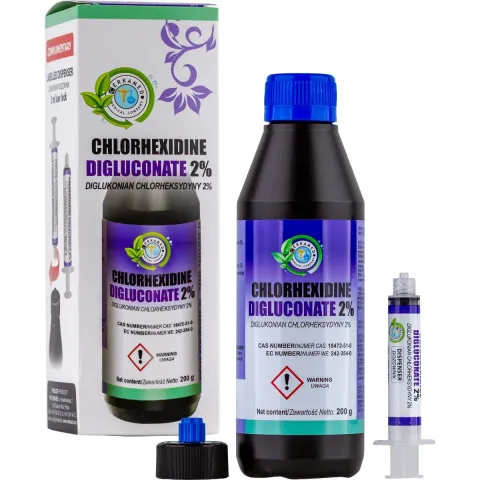
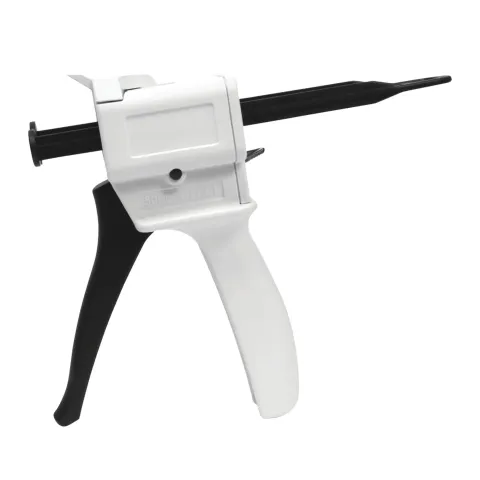
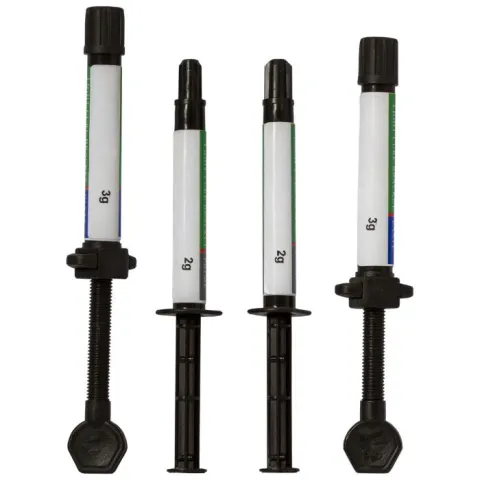
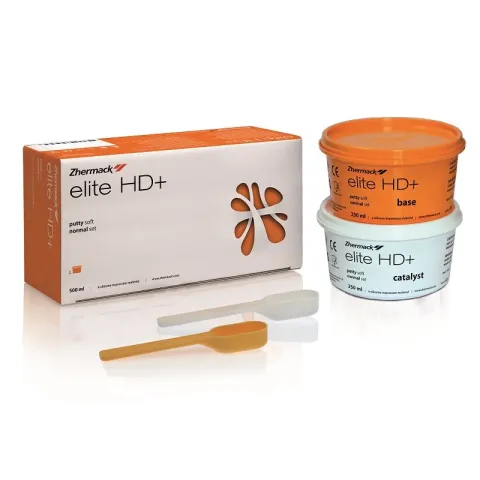
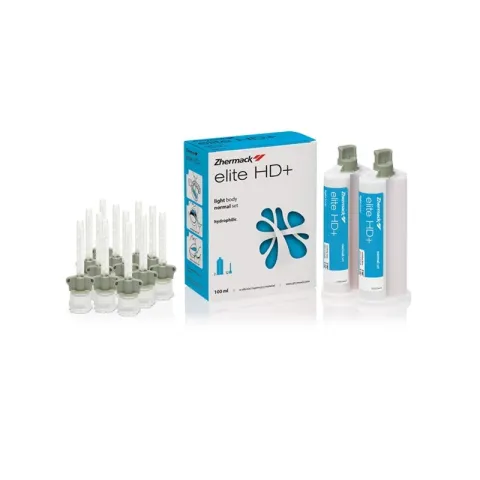
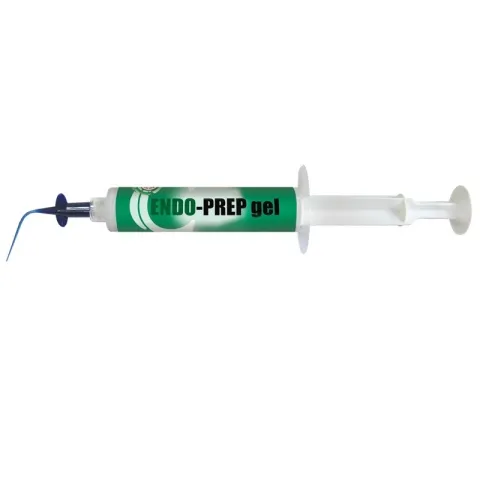
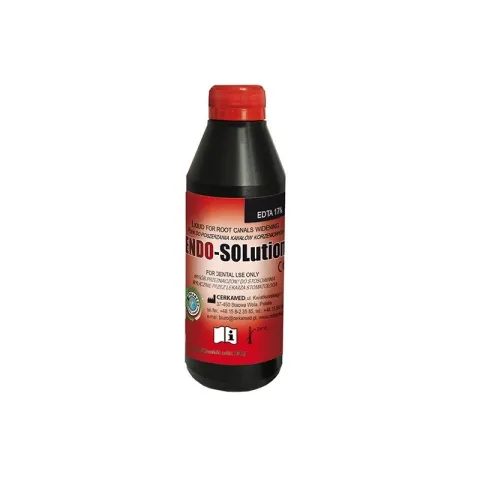
Four subcategories, by working step
| Subcategory | What it holds | Examples |
|---|---|---|
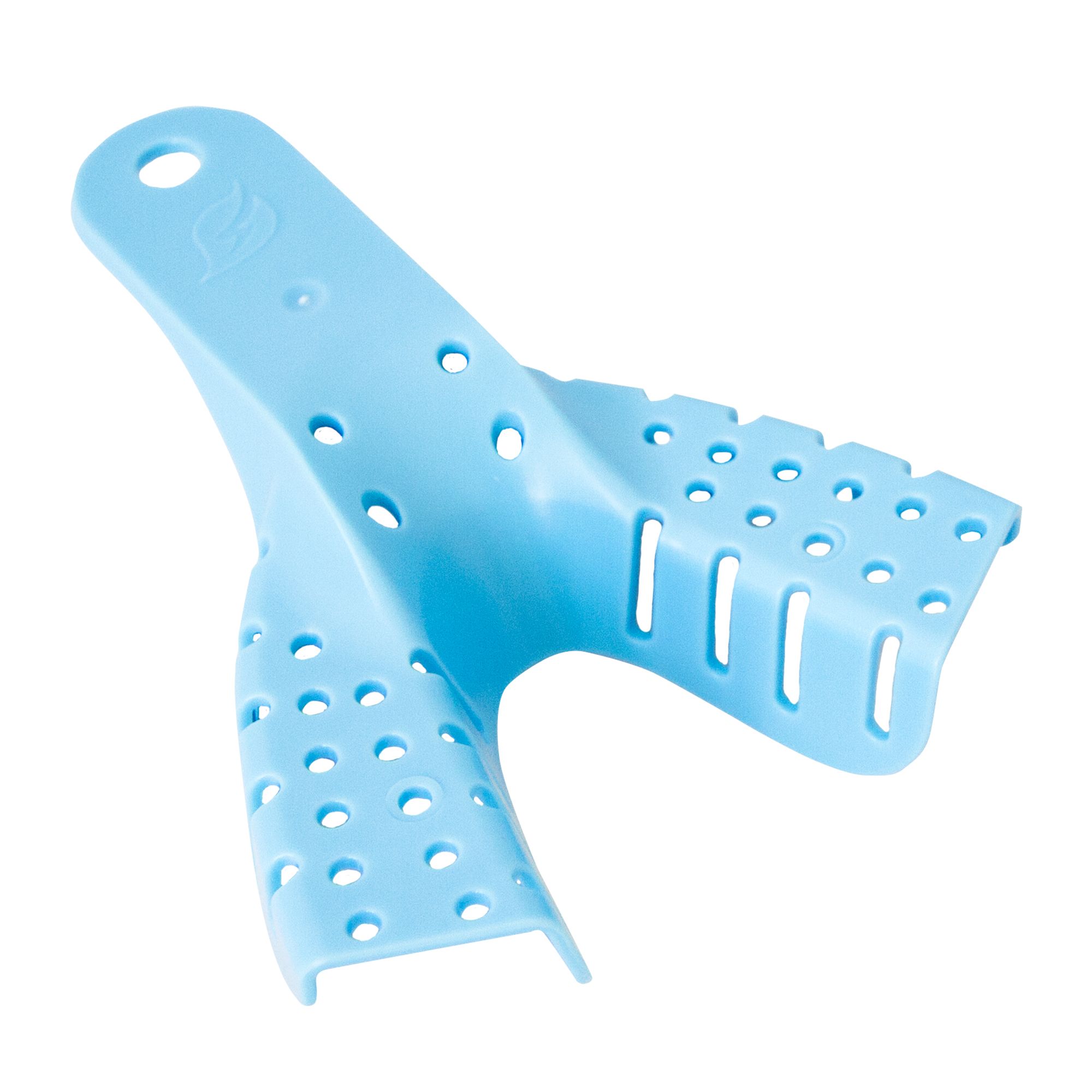
| Impression materials | alginates, condensation and addition silicones, bite registration materials, trays, mixing tips | Hydrogum 5, Orthoprint, Speedex, President, Elite HD+, Occlufast Rock |
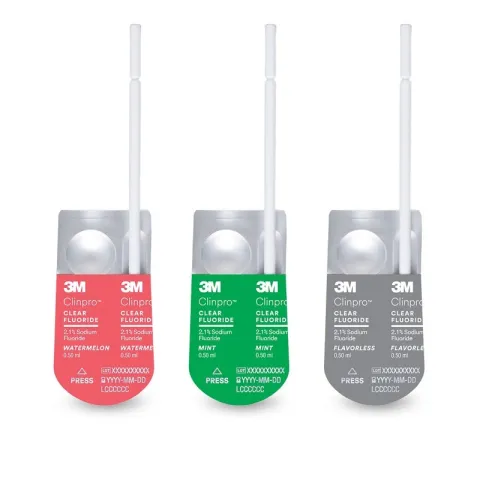
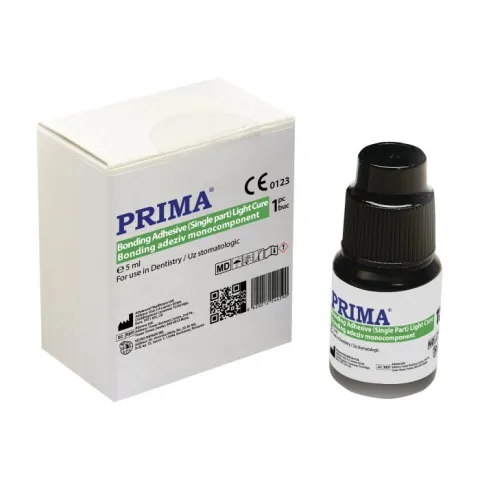
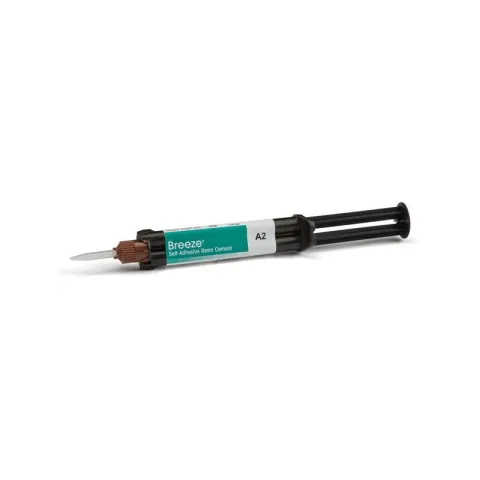
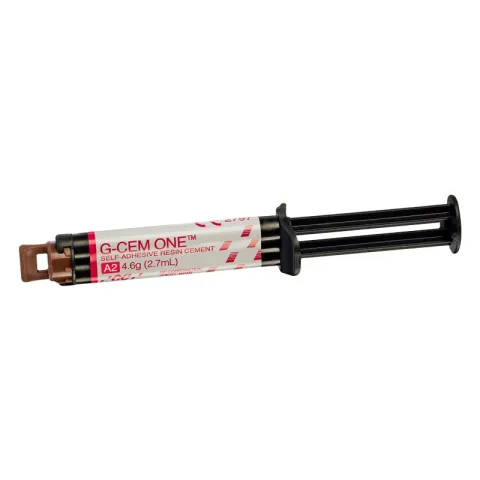
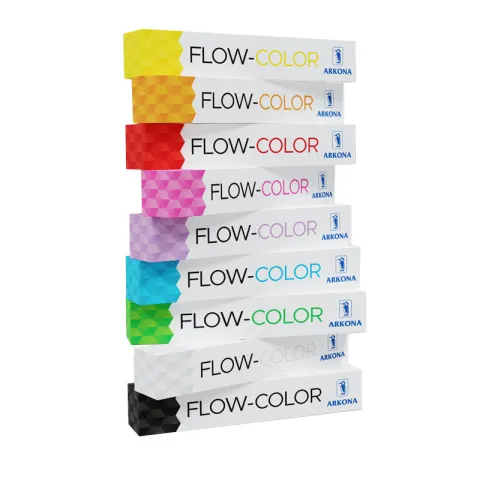
| Restorative materials | composites, adhesives, cements, glass ionomers, liners, temporary materials, fluoride varnishes | Filtek Z250, G-aenial, Tetric EvoCeram, Single Bond Universal, RelyX U200, Fuji IX, Profluorid Varnish |
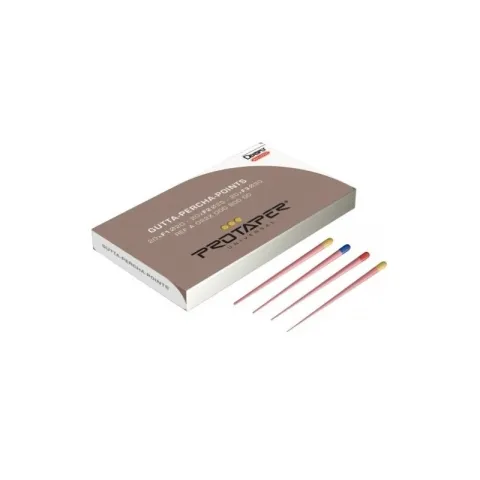
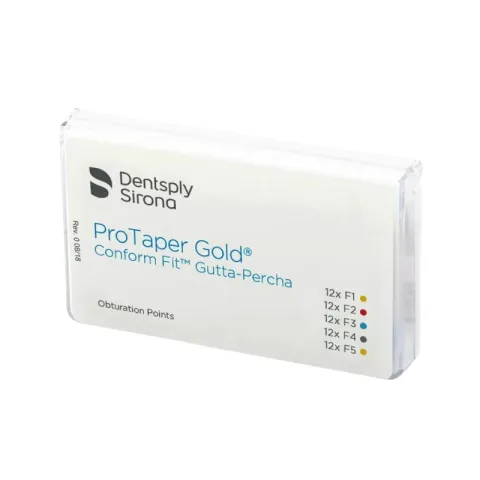
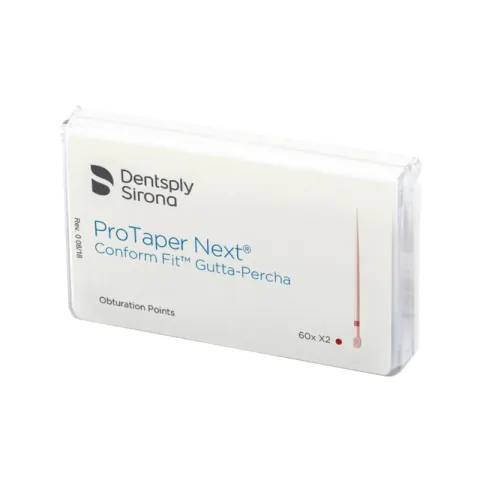
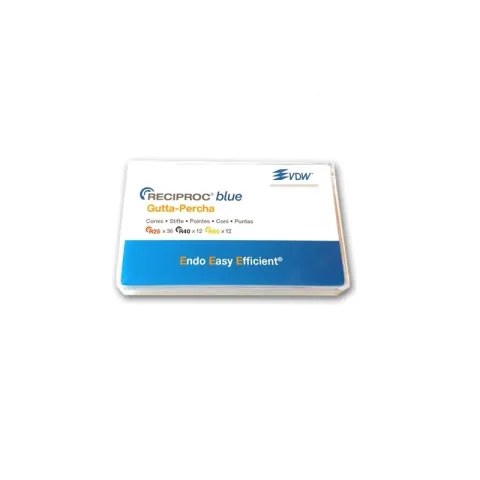
| Endodontic materials | EDTA and chlorhexidine irrigation, gutta-percha points for file systems, epoxy resin sealers | ProTaper, WaveOne Gold and Reciproc points; AH Plus, Vioseal, TheraCal LC |
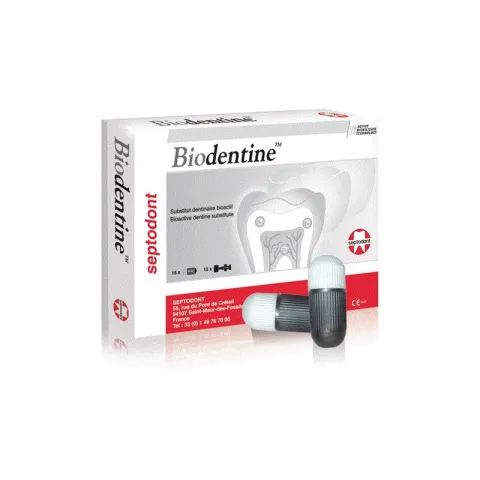
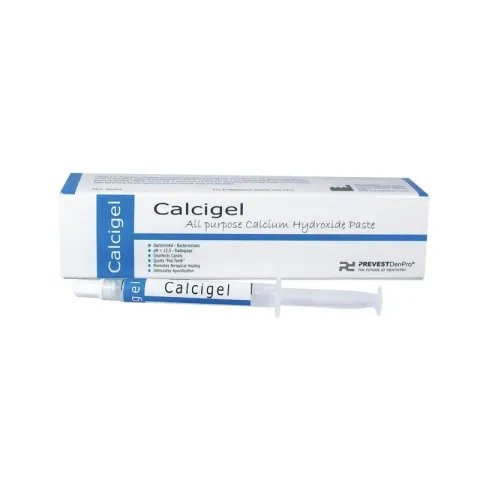
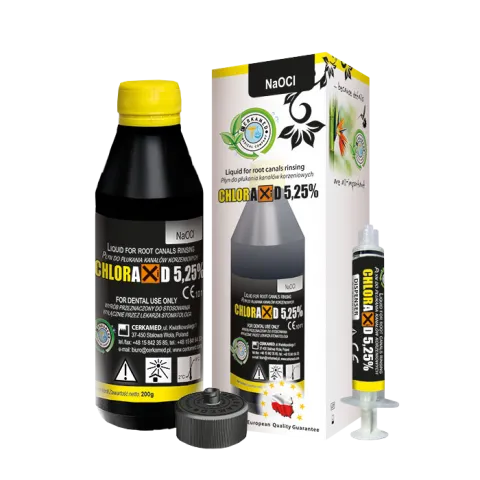
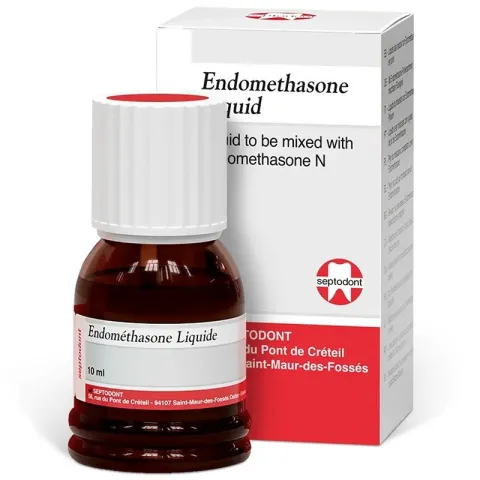
| Root canal treatment materials | sodium hypochlorite, calcium hydroxide pastes, zinc oxide eugenol cements, a bioceramic sealer, drying agents | Chloraxid 5.25%, Calcipast, Ultracal XS, Endomethasone N, CeraSeal, Biodentine |
Endodontic or root canal treatment?
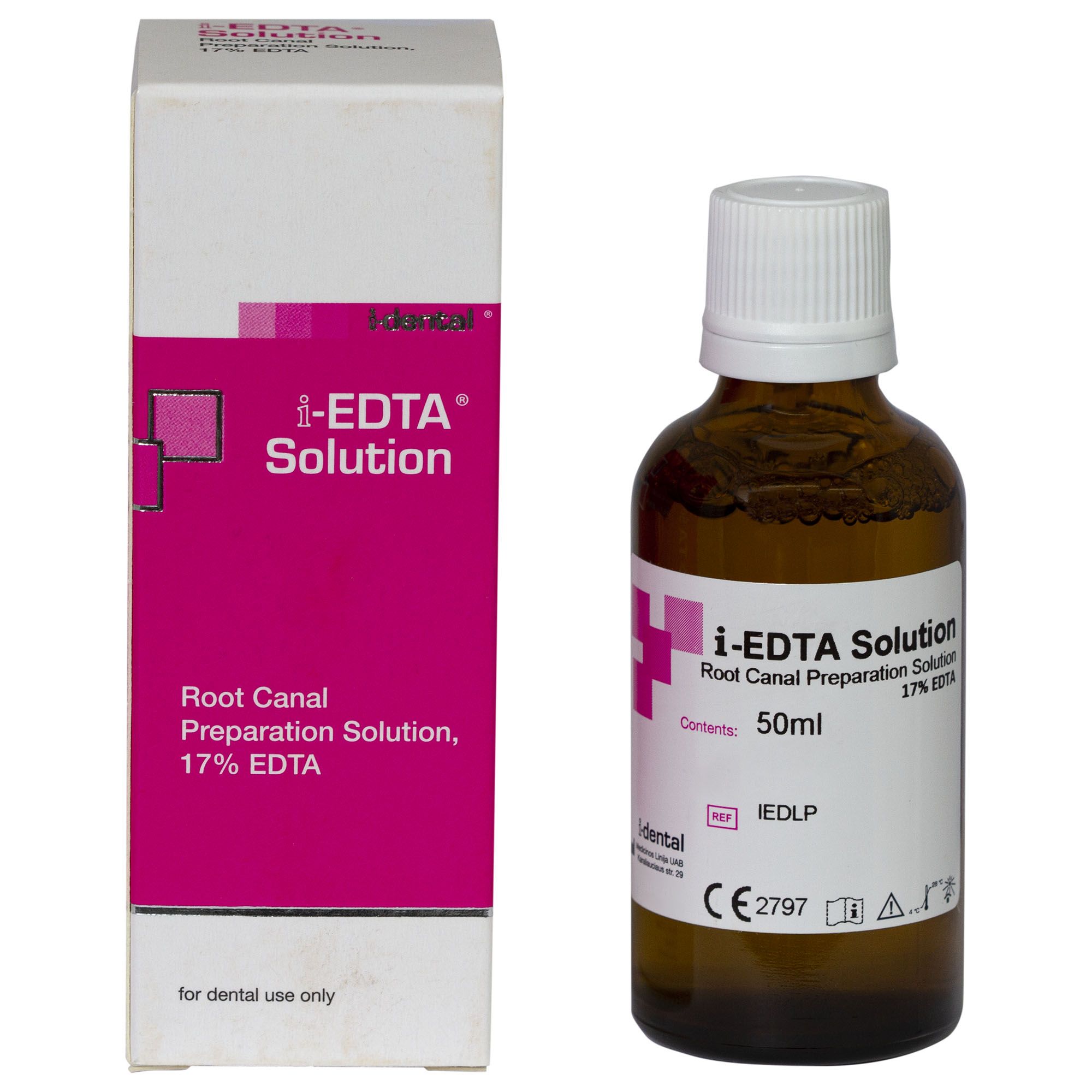
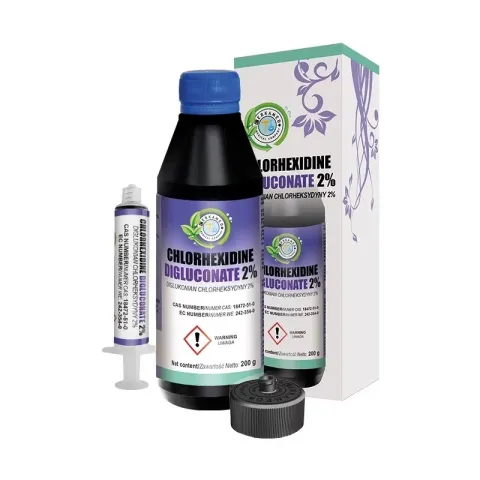
The two subcategories complement each other. Endodontic materials are mainly gutta-percha points matching ProTaper, WaveOne Gold and Reciproc files and epoxy resin sealers (AH Plus, Vioseal, SYNTEX). Root canal treatment materials include the Chloraxid 5.25% sodium hypochlorite solution, calcium hydroxide pastes, Endomethasone N cement, the CeraSeal bioceramic sealer and Biodentine. EDTA 17% and chlorhexidine 2% solutions are in both.
How to choose between variants
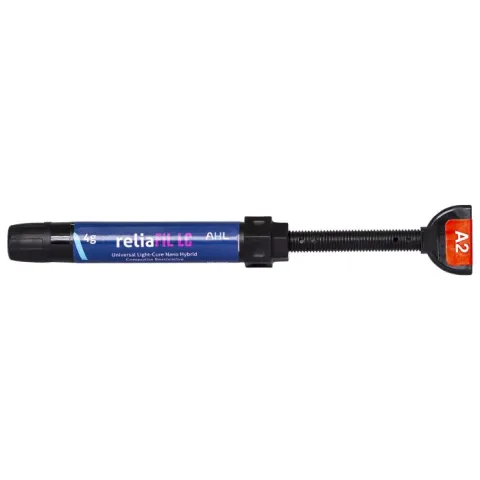
Many materials have variants on the same page: the shade (A1, A2, A3 and so on) for composites, the point size (F1, F2, R25 and so on), the consistency for silicones (putty, light body) or the packaging (syringe, capsules, single dose, kit or refill). The quantity is in the name, for example 4 g for a composite syringe or 453 g for alginate. The descriptions of many products also give working and setting times.
What else you use
For isolation see dental dam, for restorations dental matrices and wedges and polishers, and for light curing curing lamps. Mixing pads and glass mixing slabs are in mixing spatulas and pads. Hand and rotary files are in root canal files, and other practice supplies in dental.
Frequently asked questions
What is the difference between endodontic and root canal treatment materials?
They complement each other. Endodontic materials are mainly gutta-percha points for file systems and epoxy sealers, while root canal treatment materials include sodium hypochlorite, calcium hydroxide pastes, zinc oxide eugenol cements, the CeraSeal bioceramic sealer and Biodentine.
Which composites do you have?
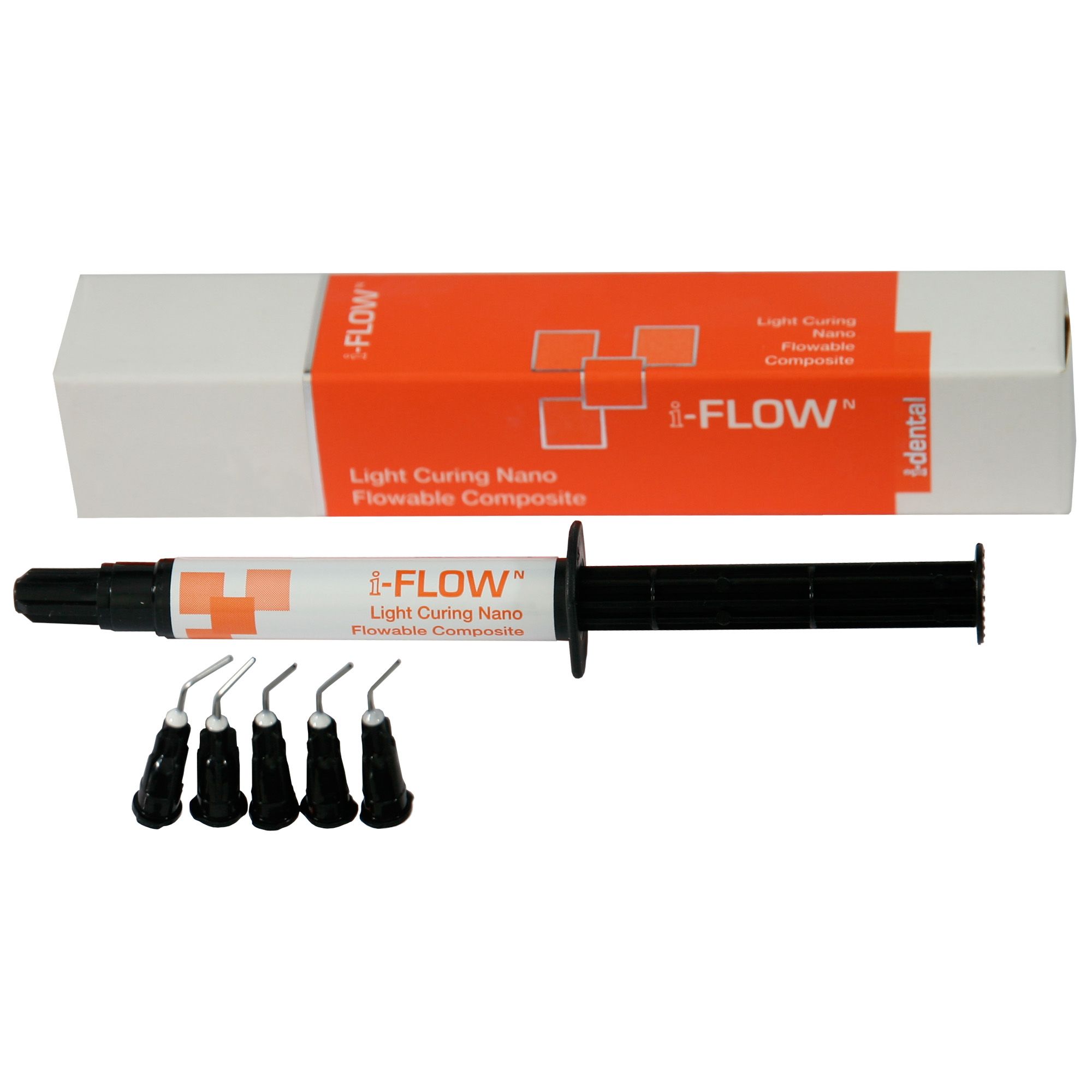
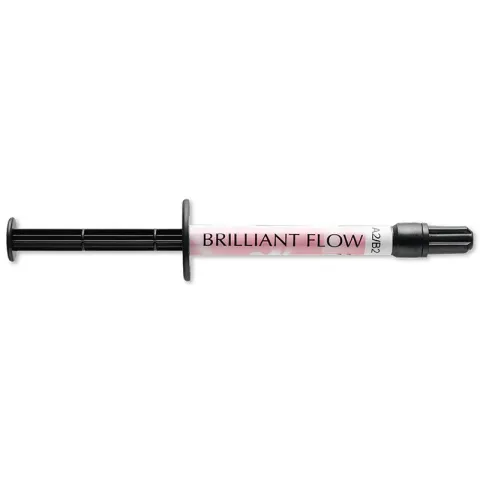
Among them: Filtek Z250, Filtek Z550 and Filtek Ultimate (3M), G-aenial and Gradia Direct (GC), Tetric EvoCeram and Evetric (Ivoclar), Charisma Classic (Kulzer), Brilliant Flow (Coltene) and EsCom250 (Spident), plus the i-FLOW flowable composite and a PRIMA nanohybrid universal composite.
Which temporary materials do you have?
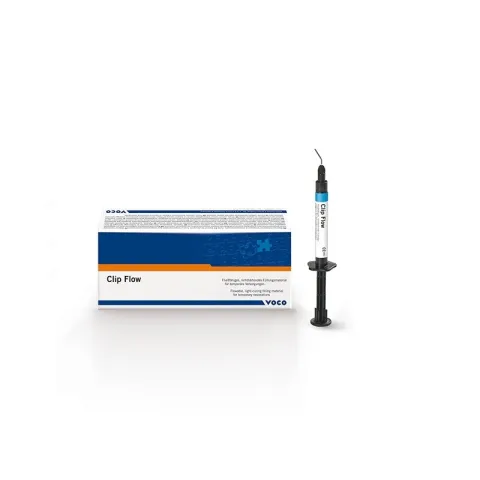
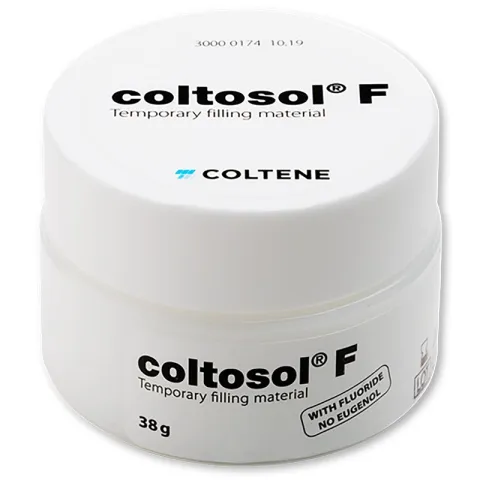
For temporary fillings: Citodur paste (30 g), Coltosol F (38 g) and Clip Flow flowable composite; for temporary crowns and bridges, the bis-acrylic Hexa-Temp (Spident); for temporary cementation, Temp-Bond Clear (Kerr) and NoMIX (Centrix), both eugenol-free.