Incontinence products are chosen on three criteria: how mobile the person is, how heavy the leakage is and what size they need. The most common mistake is buying “diapers” without checking the product type and the size chart, then trying to stop leaks with a second product placed on top of the first. This guide explains the difference between tab-closure briefs, pull-up pants and shaped pads, how to read the sizes and the milliliters on the pack, and how to care for the skin, following the recommendations updated in 2026 by an international panel of skin-care experts.
70–254 cmhip circumferencecovered by the Abena Slip briefs in the catalog, from size M to XXL.
180–4,000 mldeclared absorptionfrom the Abena Light Mini 1 pad to the Abena Slip L4 and XL4 briefs.
1 productat a timelayering absorbent products is listed among the practices to avoid in the 2026 recommendations.
The four types of products
In the adult incontinence category you will find four product families. The first three are worn on the body; the fourth protects the bed.
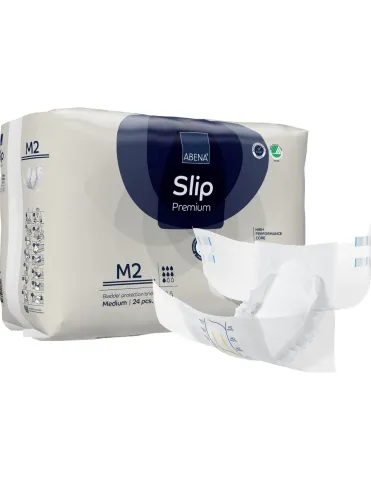
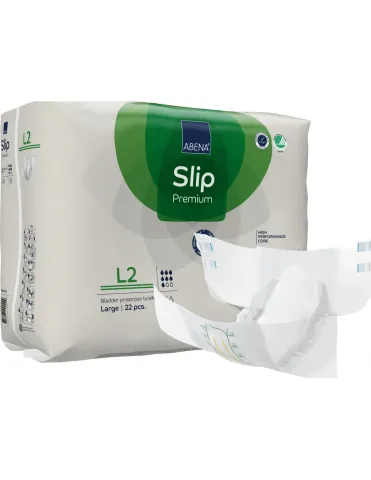
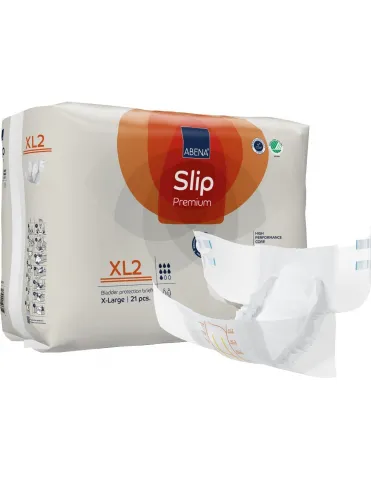
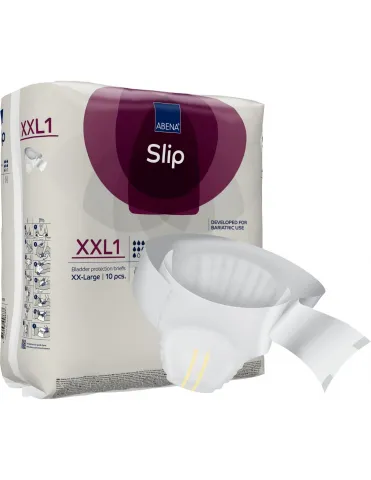
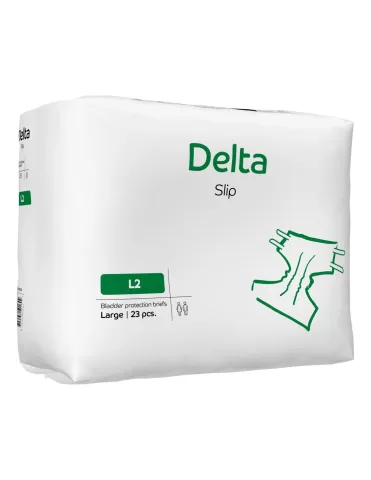
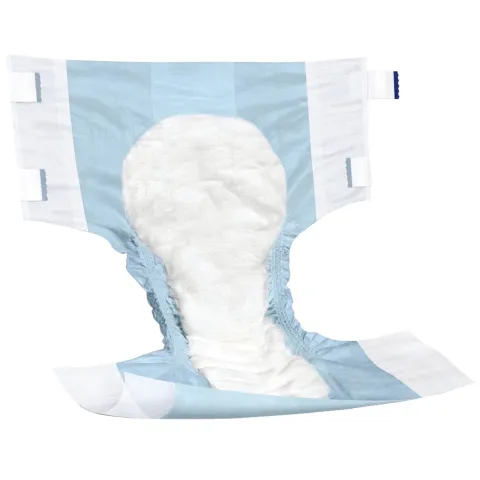
Tab-closure brief all-in-oneCloses at the sides with fastening tapes that can be repositioned. It can be put on with the person standing or lying down. The Abena Slip line is described for moderate to severe incontinence.
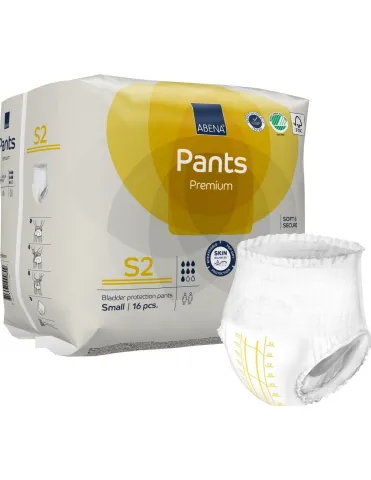
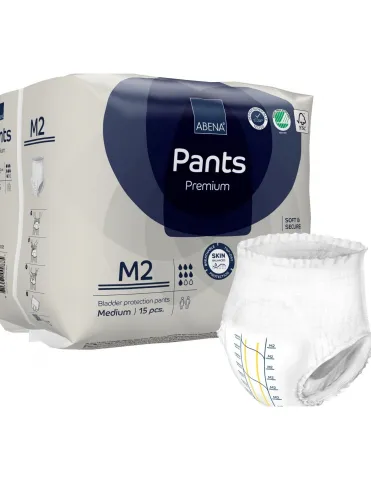
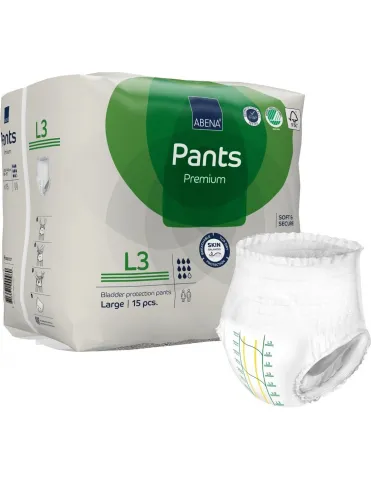
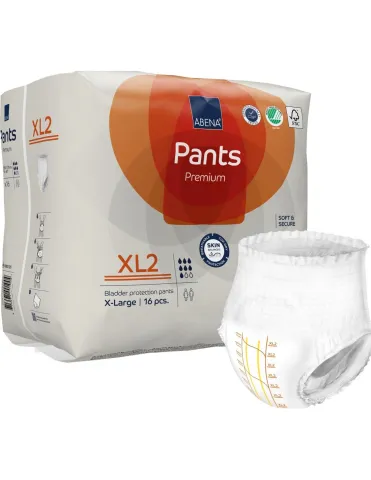
Pull-up pants pantsPulled up over the legs and worn like regular underwear. The Abena Pants product sheets describe them for moderate to heavy incontinence.
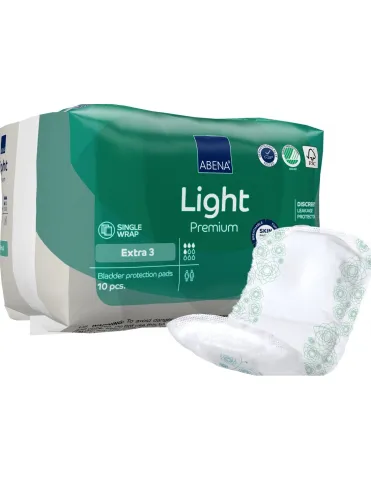
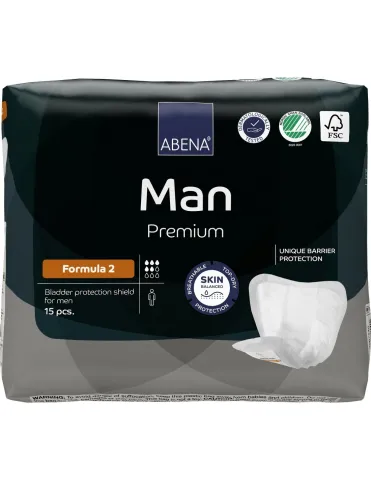
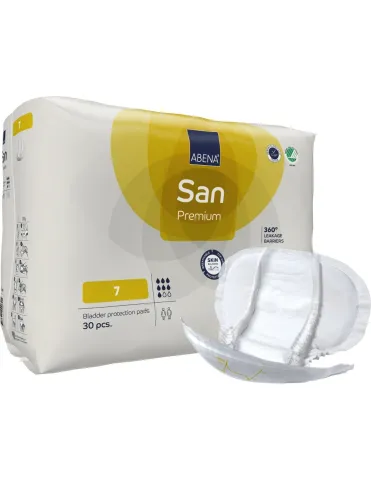
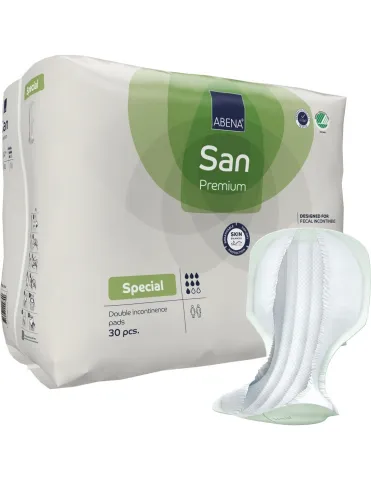
Shaped pad with fixation pantsPlaced in the underwear and held in place by elastic fixation pants. The Abena Light, Man and San lines cover leakage from light to very heavy.
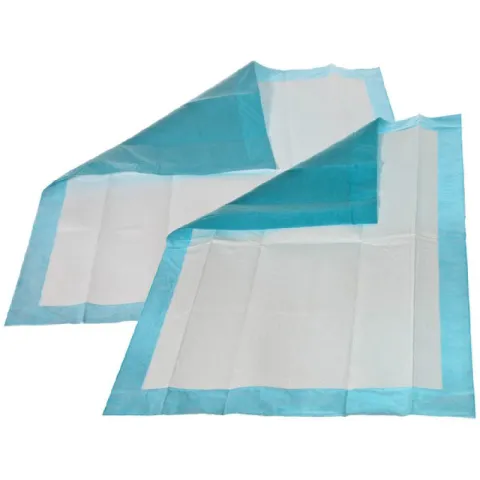
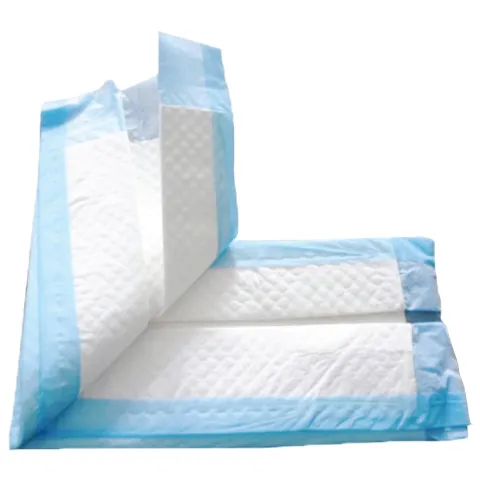
Underpad for the bedProtects the mattress and the bed linen. It does not replace the product worn on the body. Both disposable and washable underpads are available.
Tab-closure brief or pull-up pants?
Closes at the sides
Tab-closure brief
- Fastening tapes that can be repositioned
- Can be changed with the person lying down
- 1,700 to 4,000 ml in the Delta and Abena Slip lines in the catalog
- Suits people who spend a lot of time in bed or need help with changing
vs
Pulled up like underwear
Pull-up pants
- Worn instead of regular underwear
- Pulled down and up just like briefs
- 1,400 to 2,600 ml in the Abena Pants line
- Suits people who go to the toilet on their own
How to choose the size
For the Abena briefs and pants in the catalog, size is chosen by hip circumference, printed on the pack. The ranges differ from one product line to another, so an “L” brief does not cover the same measurements as “L” pants.
| Product line | S | M | L | XL | XXL |
|---|
| Abena Slip, tab-closure brief | – | 70–110 cm | 100–150 cm | 110–170 cm | 170–254 cm |
| Delta Slip and Delta Form, tab-closure brief | – | 70–110 cm | 100–150 cm | 110–170 cm | – |
| Abena Pants, pull-up pants | 65–90 cm | 80–110 cm | 100–140 cm | 130–170 cm | – |
- Measure the hip circumferenceWith a tape measure, around the widest part of the hips.
- Compare with the chart of the chosen lineThe values above are those on the product sheets in the catalog.
- Between two sizes?The ranges overlap: 100–110 cm fits both M and L in the Abena Slip line. Try both sizes and keep the one that sits snugly around the legs without squeezing.
- Check the reference printed on the packFor the PRIMA briefs (M, L and XL, 10 pieces per pack), the product sheet says to choose the size by body weight, not by circumference.
Tab-closure briefs, from M to XXL
Abena Pants pull-up pants
What the milliliters on the pack mean
The number of milliliters is the absorption capacity declared by the manufacturer. The laboratory method for determining the absorption capacity of the absorbent core is described in the ISO 11948-1 standard. In everyday use, the right size and how often you change the product also matter, so the figure on the pack helps you compare products with each other, not work out how many hours one can be worn.
| Type | Products in the catalog | Declared absorption |
|---|
| Pads for light leakage | Abena Light Mini 1, Normal 2, Extra 3 | 180, 350 and 500 ml |
| Pads for heavier leakage | Abena Light Super 4 and Maxi 4A | 850 and 1,000 ml |
| Pad for men | Abena Man F2 | 700 ml |
| Large shaped pads | Abena San 6, 7, 8 and 9 | 1,600–2,500 ml |
| Fecal and urinary incontinence | Abena San Special | 2,000 ml |
| Pull-up pants | Abena Pants, from S to XL | 1,400–2,600 ml |
| Tab-closure briefs | Delta Form, Delta Slip, Abena Slip | 1,700–4,000 ml |
| PRIMA tab-closure briefs | M, L and XL | 1,200, 1,500 and 1,500 ml |
On Abena Pants, the absorption level is also shown on the pack as a number of drops: the 1,900 ml versions have 7 drops and the 2,400 ml versions have 8. Abena Slip briefs and Abena Pants have a wetness indicator with a graduated scale, and the Abena product sheets say to change the product when the indicator has changed color. On PRIMA briefs, the printed indicator disappears or fades when the brief is completely wet.
Shaped pads and fixation pants
Shaped pads have an anatomical form and are placed in the underwear. Abena San measures 63 × 30 cm for San 6, 63 × 36 cm for San 7 and San 8 and 73 × 37 cm for San 9, while Abena San Special, 73 × 37 cm, is intended for moderate and severe fecal incontinence as well as urinary incontinence. The Abena Light line, from 10 × 22 cm to 20 × 42 cm, is used for lighter leakage, and most versions are self-adhesive. Abena Man F2, 29 × 23 cm, is shaped for men.
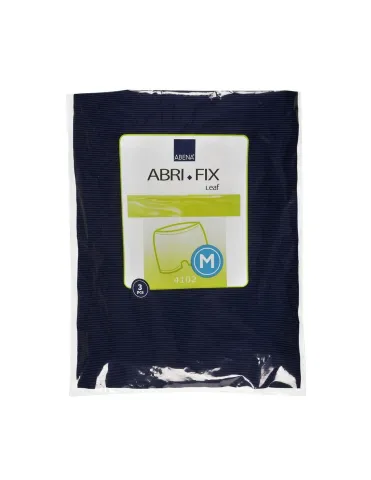
Large pads are kept in place with elastic fixation pants. Abri-Fix Leaf is reusable: its product sheet states washing at up to 60 °C and a durability of 100 washes. For men, the catalog also has the latex external catheter with a self-adhesive band, in sizes S–XL, and hygiene bags with an absorbent pad, of about 450 ml, which turn urine into a gel.
Sanitary pad or incontinence pad?The 2026 international recommendations note that sanitary pads manage urine less well than incontinence pads, because they are designed for menstrual blood, which differs from urine in viscosity and volume. For urine leakage, choose an incontinence pad, for example from the Abena Light line.
Shaped pads and fixation pants
Protecting the bed: underpads
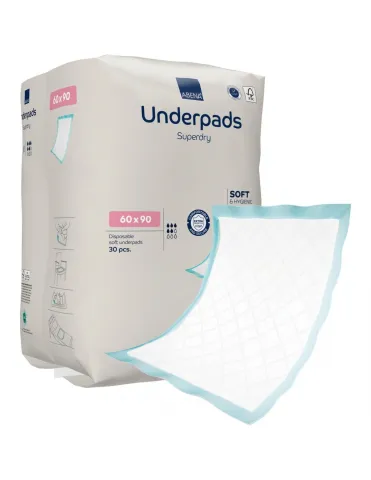
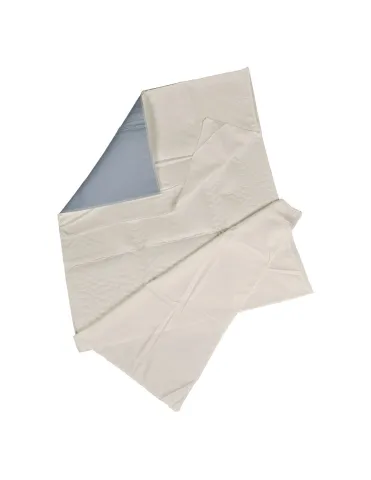
PRIMA underpads have a soft top layer, an absorbent core and a waterproof polyethylene backing. They come in four sizes: 40 × 60 cm and 60 × 60 cm (30 pieces each), 60 × 90 cm (30 pieces) and 90 × 180 cm (15 pieces). Abena Abri-Soft underpads of 60 × 90 cm have a declared absorption of 700, 800 or 1,000 ml, and the Premium version, 220 × 100 cm, 4,500 ml. If you prefer a washable underpad, Abri-Soft Washable measures 85 × 90 cm and absorbs 2,500 ml. The other bed products are in the rubber sheets and underpads category.
Disposable and washable underpads
Skin care: cleanse, protect, restore
Skin exposed to urine or stool can become irritated; the condition is called incontinence-associated dermatitis. The international recommendations updated in 2026 prevent it with a three-step routine, carried out at least once a day or after each incontinence episode, with prompt cleansing after every episode.
1Cleanse and dryA gentle, pH-balanced, fragrance-free cleanser applied with a disposable washcloth or an incontinence wipe. Pat the skin dry, without rubbing.
2ProtectA barrier product on the skin, so that urine and stool do not stay in direct contact with it. Recognized barrier ingredients include, for example, petrolatum, zinc oxide and dimethicone.
3RestoreWhen the skin is intact, a product that replenishes the skin’s lipids.
The same recommendations point out that frequent washing with soap and water can weaken the skin barrier, and that cloth towels and reusable washcloths can increase friction and the transfer of microorganisms. For routine prevention, dimethicone-based barrier products are used. Thick zinc oxide pastes are not recommended for routine care: they are hard to remove and, being opaque, hide the skin during checks. If the skin is already red, broken or painful, ask a doctor or nurse for advice.
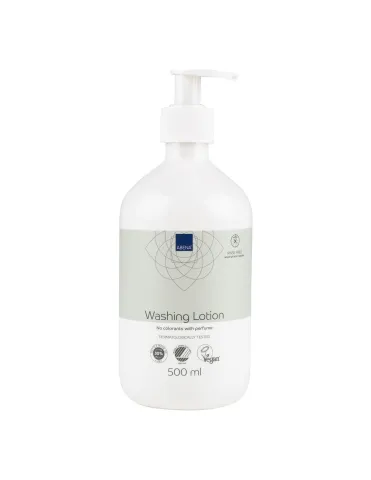
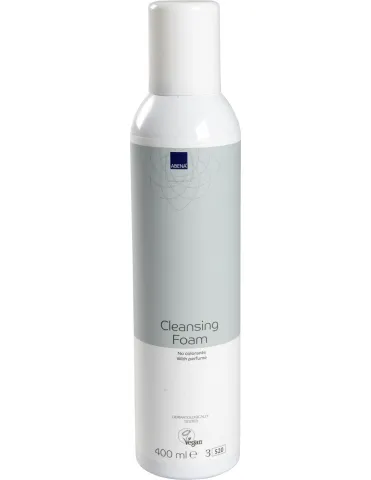
- Waterless cleansing: the Abena no-rinse wash lotion, 500 ml, and the 400 ml foam, both made for use at brief changes.
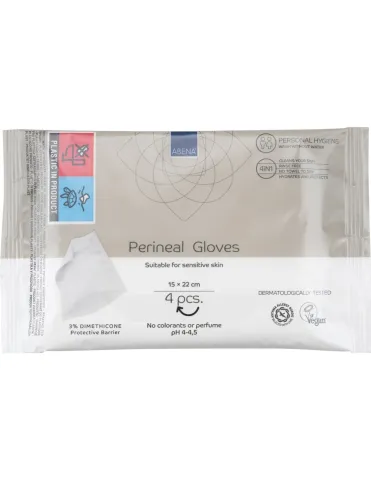
- Cleansing and protection in one step: Abena wet patient-washing gloves, 15 × 22 cm, formulated with 3% dimethicone, 4 per pack.
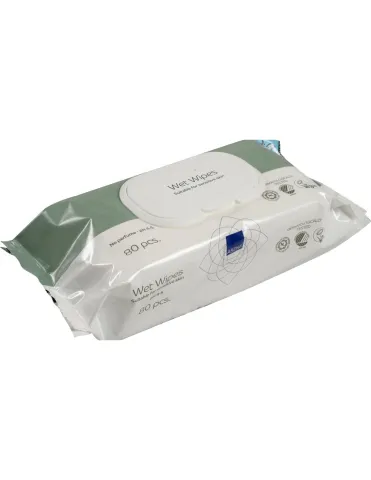
- Abena wet wipes for incontinence, 18 × 20 cm, 27 × 20 cm or 30 × 30 cm, and the Abena intimate wash, free of dyes and fragrance.
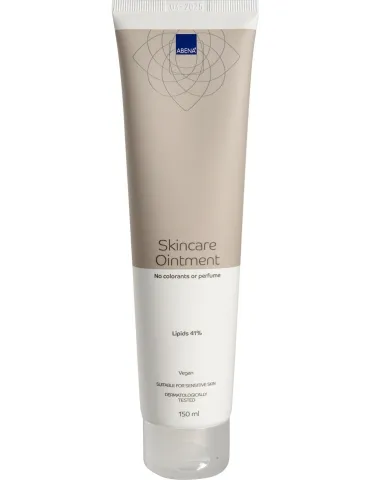
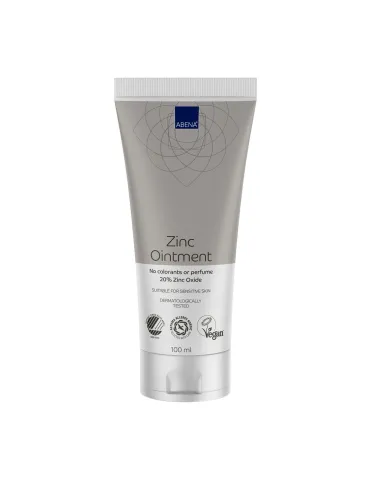
- For dry skin: the Abena ointment with 41% lipids. The 20% zinc oxide cream and the 40% paste are also in the care products category.
No-rinse washing and skin care
If you care for a bedridden person, wear examination gloves when changing them; the differences between latex, nitrile and vinyl are explained in the guide to examination gloves. Bedpans, urinals and other bed-care products are in the care for bedridden patients category.
Common mistakes
- Putting two absorbent products on top of each otherThe 2026 recommendations list layering of absorbent products among the practices to avoid. Choose a product with the right absorption or change it more often.
- Choosing the size by eyeMeasure the hip circumference and compare it with the chart of the product line; the ranges differ between briefs and pants.
- Using sanitary pads for urine leakageThey are designed for a different fluid. For urine, choose incontinence pads.
- Washing often with soap and water and rubbing the skinFrequent soap and friction weaken the skin barrier. Use a gentle no-rinse product and pat dry.
- Leaving a full product on for too longInfrequent changing prolongs the contact between skin and urine. The wetness indicator tells you when to change.
- Applying a thick zinc paste at every changeFor routine care, the recommendations point to dimethicone products; thick paste is hard to remove and hides the skin.
Briefs, pants, pads and incontinence care products
Abena Slip, Delta and PRIMA briefs, Abena Pants, Abena San and Light pads, underpads and no-rinse washing products, in the Prima Shop catalog. Orders placed by 2 p.m. usually ship the same day, and delivery takes 1–2 business days.
Frequently asked questions
How do I choose between a tab-closure brief and pull-up pants?
A tab-closure brief closes at the sides and can also be changed while the person is lying down, so it suits someone who spends a lot of time in bed or needs help. Pull-up pants are pulled up like underwear and suit someone who moves around and goes to the toilet on their own.
How do I find the right size?
Measure the hip circumference and compare it with the chart of the product line. For Abena Slip, M means 70–110 cm, L 100–150 cm, XL 110–170 cm and XXL 170–254 cm; for Abena Pants, S 65–90 cm, M 80–110 cm, L 100–140 cm and XL 130–170 cm. For PRIMA briefs, the product sheet says to choose by body weight.
What does “3,400 ml” on the pack mean?
It is the absorption capacity declared by the manufacturer. The laboratory method for the absorption capacity of the absorbent core is described in the ISO 11948-1 standard. In use, the right size and how often you change the product also matter, so the figure is mainly useful for comparing products.
When should I change the brief?
When the wetness indicator has changed color, as the Abena product sheets say, or when the printed indicator has faded, on PRIMA briefs. The 2026 international recommendations call for prompt skin cleansing after each incontinence episode.
Can I put a pad inside the brief so it holds more?
It is not recommended: layering absorbent products is listed in the 2026 recommendations among the practices to avoid. Use a single product with the right absorption, or change it more often.
What should I use to clean and protect the skin?
A gentle, pH-balanced, fragrance-free cleanser applied with a disposable washcloth or an incontinence wipe; then pat the skin dry and apply a barrier product. If the skin is already red or broken, ask a doctor or nurse for advice.